

Mumbai Train Accident Spurs Railways to Introduce Non‑AC Trains with Automated Doors

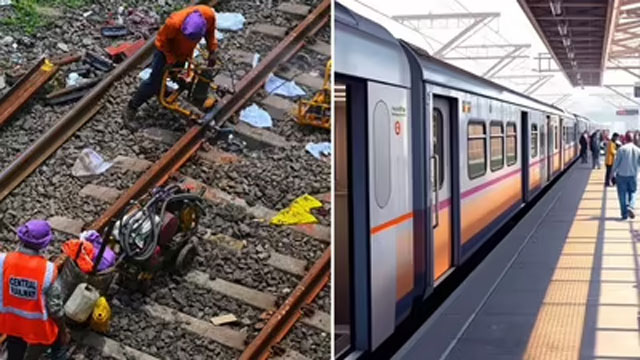
The mumbai train accident earlier this month claimed four lives and injured several others when overcrowding caused commuters to fall from a local train. In response, the Railway Board is now exploring the development of new non‑AC trains equipped with automated door‑closure technology to prevent future tragedies. Recognizing that Mumbai’s suburban network is heavily strained—especially during peak hours—the plan aims to balance safety and ventilation. This blog explores the causes behind the accident, the proposed train redesign, challenges like carbon dioxide buildup, estimated timelines, and the broader implications for urban commuting safety in Mumbai.
The mumbai train accident occurred amid peak-hour overcrowding on a suburban rake comprising 12 non‑AC coaches. Mumbai Railway officials highlighted that non‑AC rakes currently lack automatic doors, leaving train ends and compartments open to crowding challenges. The tragic oversight meant that at least four commuters lost their lives, and six others were injured after falling from the overcrowded train. Union Minister Ashwini Vaishnaw and Railway Board officials responded swiftly, initiating discussions with the Chennai‑based Integral Coach Factory (ICF) to design non‑AC coaches with secure closing mechanisms to reduce the risk of accidental falls during crush‑load travel.
Designing automated doors for non‑AC suburban rakes has proven complex. A test retrofit in Mumbai locals showed that door closure can lead to suffocation risks: carbon dioxide levels doubled to 2.5 times normal in one trial. The mumbai train accident has thus given rise to caution even within safety improvements. As a solution, ICF Chennai has proposed a hybrid model that combines louvred doors, roof‑mounted ventilation units, and vestibules connecting coach interiors. This design aims to ensure both safety and sufficient airflow. Officials emphasize that preventing suffocation is as critical as preventing falls—both are key concerns stemming from overcrowded crush-load conditions.
Under the proposed plan, the first prototype of the automated-door non‑AC rake is expected by November 2025, with public trials scheduled early in 2026. The mumbai train accident has accelerated this timeline, highlighting the urgency of implementation. Once the prototype is ready, it must be certified by the Commissioner of Railway Safety before being placed into active service. This phased approach balances technological innovation with practical deployment: older rakes will be gradually phased out, while new designs are tested first. By January 2026, trial runs in Mumbai may begin, marking the start of a new era of improved commuter safety.
Budget remains a key concern in this massive overhaul. Each non‑AC 12-coach rake currently costs around ₹20–25 crore and has an 18-year lifecycle. With about 250 active rakes in Mumbai, including only 30 AC rakes, the costs of retrofitting or replacing the remaining 220 rakes are considerable. After the mumbai train accident, Railway Board officials disclosed that the total cost will be determined once prototype designs are finalized in November. Factoring in new ventilation systems and automatic doors, the overall budget may rise. The project must strike a balance between financial feasibility and the imperative to end tragic overcrowding incidents.
The mumbai train accident also underscores systemic challenges within Mumbai’s rail infrastructure. Super‑dense crush‑load conditions, with up to 15 passengers per square metre, are common during peak travel, often carrying more than 4,000 people in a single 12‑coach rake. M. Jamshed, former Member (Traffic) of the Railway Board, observed that while accidents have significantly decreased—from 51,000 over 20 years to around 2,500 annually—they remain unacceptably high. He emphasized that door closure technology alone may not solve overcrowding. Ensuring safety will require addressing systemic capacity and crowd-control issues alongside technical fixes.
In addition to mechanical solutions, authorities are exploring structural and operational reforms. The mumbai train accident triggered a meeting of Railway Board officials, with participation from the Commissioner of Railway Safety, to assess crowd management strategies. Potential improvements include scheduling additional trains during peak hours, regulating entry during extreme crush conditions, and introducing platform wait-time indicators. Moreover, modernized rakes with vestibules will allow passengers to spread across coaches more evenly. All these changes are intended to reduce critical pressure points, emphasizing that technology needs to work alongside policy and planning.
Public sentiment following the mumbai train accident has been deeply impacted. Commuters, already frustrated with frequent delays and overcrowding, now demand immediate safety enhancements. The proposed automated-door non‑AC train plan has been met with cautious optimism. Advocates urge transparent timelines and public pilot trials. Civic bodies and commuters stress that safety measures must match the pace of ridership growth. Mumbai’s daily footfall of five million—roughly 40% of Indian Railways’ daily passengers—necessitates swift, scalable solutions that align with commuter needs and urban realities.
Ultimately, the mumbai train accident serves as a sobering reminder that rapid urban population growth requires equally proactive public transport improvements. The planned introduction of non‑AC trains with automated doors, ventilated interiors, and vestibule designs reflects a committed response to tragedy. Yet success hinges on overcoming technical, logistical, and financial hurdles. As ICF Chennai begins work on the prototype, stakeholders across government, railways, and civic society will need to collaborate toward shared goals: safer, accessible, and dignified suburban travel for Mumbai’s millions who depend on the local train network daily.